As 10 Simple Meditation Practices for Emotional Resilience takes center stage, this opening passage beckons readers into a world crafted with good knowledge, ensuring a reading experience that is both absorbing and distinctly original. In a quest for emotional stability and inner fortitude, these meditation practices offer a pathway towards resilience and strength.
Exploring the essence of mindfulness, loving-kindness, body scan, gratitude, visualization, mantra, walking, breathwork, and progressive muscle relaxation meditations, this guide provides invaluable insights to cultivate emotional resilience in the face of life’s challenges.
Introduction to Meditation Practices
Emotional resilience is the ability to adapt and bounce back from adversity, stress, and challenges in life. It involves maintaining a sense of well-being and inner peace in the face of difficulties.Emotional resilience is crucial in daily life as it helps individuals navigate through tough situations with grace and composure. It allows one to remain calm, focused, and optimistic even when facing setbacks or obstacles.Meditation is a powerful tool for enhancing emotional resilience as it helps individuals cultivate mindfulness, self-awareness, and inner strength.
By practicing meditation regularly, one can learn to observe their thoughts and emotions without being overwhelmed by them. This leads to a greater sense of control over one’s reactions and emotions, ultimately building emotional resilience.
Mindfulness Meditation
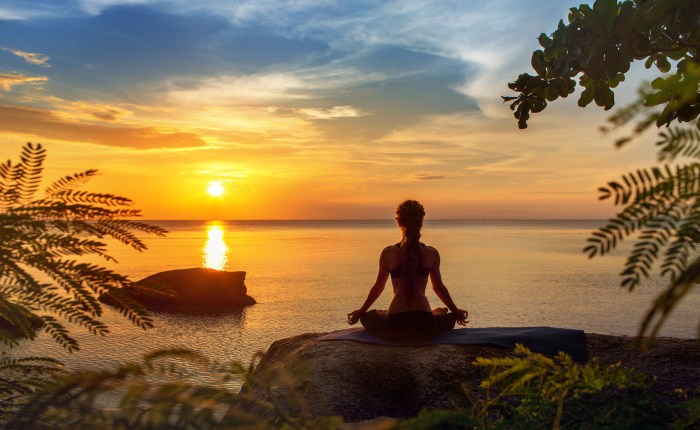
Mindfulness meditation involves focusing on the present moment without judgment, allowing thoughts and emotions to come and go without getting caught up in them.
How Mindfulness Meditation Builds Emotional Resilience
Practicing mindfulness meditation can help in building emotional resilience by allowing individuals to observe their thoughts and feelings without reacting impulsively. This practice helps in developing self-awareness, emotional regulation, and the ability to respond to challenging situations with clarity and calmness.
Steps to Practice Mindfulness Meditation
- Find a quiet and comfortable place to sit or lie down.
- Close your eyes and focus on your breath, taking deep breaths in and out.
- Notice any thoughts, emotions, or sensations that arise without judgment.
- Bring your attention back to your breath whenever you get distracted.
- Start with short meditation sessions and gradually increase the duration as you become more comfortable with the practice.
Loving-Kindness Meditation
Loving-Kindness Meditation, also known as Metta meditation, is a practice that involves cultivating feelings of love, compassion, and goodwill towards oneself and others. It is a form of meditation that focuses on sending positive energy and loving-kindness to all beings, regardless of their relationship to you.This practice aims to develop a sense of compassion and empathy, promoting emotional resilience and fostering positive relationships with oneself and others.
By cultivating feelings of love and kindness, individuals can experience greater emotional well-being and a deeper sense of connection with the world around them.
Benefits of Loving-Kindness Meditation
- Enhances feelings of compassion and empathy towards oneself and others.
- Reduces feelings of anger, resentment, and hostility.
- Promotes a sense of interconnectedness and unity with all beings.
- Improves overall emotional well-being and mental health.
- Enhances relationships and social connections.
Sample Loving-Kindness Meditation Script
May I be happy.May I be healthy.May I be safe.May I live with ease. May all beings be happy.May all beings be healthy.May all beings be safe.May all beings live with ease.
Body Scan Meditation
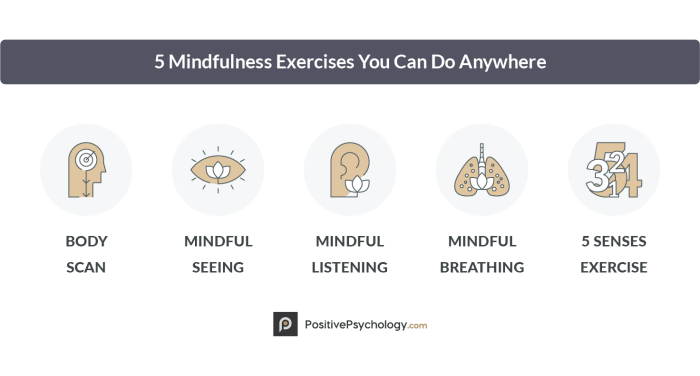
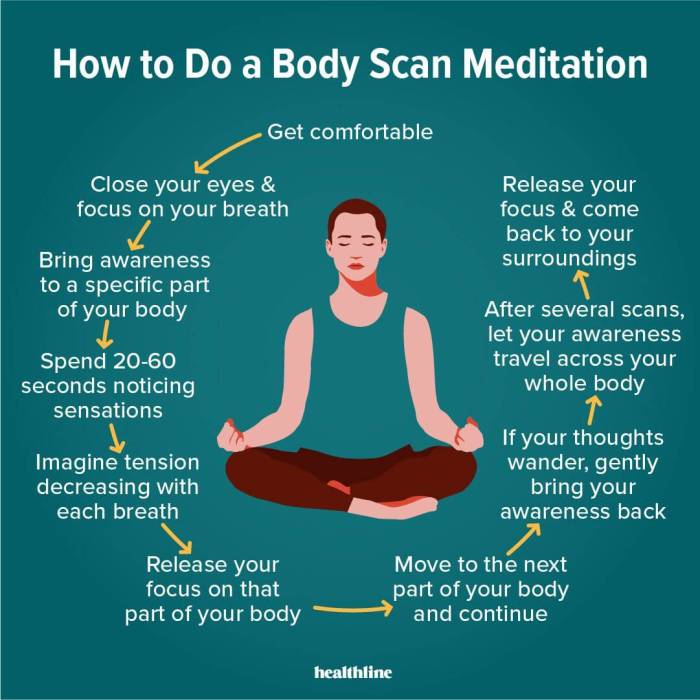
Body scan meditation is a mindfulness practice that involves focusing on each part of the body, from head to toe, and bringing awareness to any sensations, tensions, or emotions present in each area. This practice helps in cultivating a deep connection between the mind and body, promoting relaxation, stress reduction, and emotional resilience.
How Body Scan Meditation Helps in Developing Emotional Resilience
Body scan meditation can be a powerful tool in developing emotional resilience by allowing individuals to tune into their body’s signals and become more in touch with their emotions. By regularly practicing body scan meditation, individuals can learn to recognize physical sensations associated with different emotions, such as tension in the shoulders when feeling stressed or butterflies in the stomach when anxious.
This heightened awareness can help individuals acknowledge and process their emotions more effectively, leading to increased emotional resilience and the ability to navigate challenging situations with greater ease.
Simple Body Scan Meditation Practice for Beginners
- Find a comfortable and quiet space where you can lie down or sit comfortably with your eyes closed.
- Start by taking a few deep breaths to center yourself and bring your awareness to the present moment.
- Begin by focusing on your breath, noticing the rise and fall of your chest or the sensation of air entering and leaving your nostrils.
- Slowly shift your attention to different parts of your body, starting from your head and moving down to your toes. Notice any sensations, tension, or emotions present in each area without judgment.
- If you encounter any areas of tension or discomfort, take a few deep breaths and imagine sending relaxation and warmth to that part of your body.
- Continue scanning your body from head to toe, taking your time to fully experience each part of your body.
- When you reach your toes, take a few moments to bask in the overall sense of relaxation and connection between your mind and body.
- Slowly bring your awareness back to the present moment, gently opening your eyes and taking a few more deep breaths before resuming your day.
Gratitude Meditation
Gratitude meditation involves focusing on feelings of thankfulness and appreciation for the positive aspects of your life, no matter how big or small they may be. It is a practice that helps cultivate a sense of gratitude towards oneself, others, and the world around you.Practicing gratitude meditation can significantly enhance emotional resilience by shifting your focus from negative thoughts and emotions to positive ones.
By actively acknowledging and appreciating the good things in your life, you can reduce stress, improve your mood, and build a more optimistic outlook on life. This can help you cope better with challenges and setbacks, leading to increased emotional strength and resilience.
Gratitude Meditation Exercises
- Gratitude Journaling: Take a few minutes every day to write down things that you are grateful for. This could be anything from a beautiful sunset to a kind gesture from a friend. Reflecting on these moments of gratitude can help shift your mindset towards positivity.
- Gratitude Meditation: Find a quiet space, sit comfortably, and close your eyes. Take deep breaths and focus on things you are grateful for. Visualize these things in detail and allow yourself to feel the emotions associated with them. Stay in this state of gratitude for a few minutes.
- Gratitude Walk: Take a mindful walk outdoors and pay attention to the beauty around you. With each step, think about something you are thankful for. It could be the warmth of the sun on your skin or the sound of birds chirping. Let these moments of gratitude fill your heart.
Visualization Meditation
Visualization meditation involves creating mental images or scenarios in your mind to achieve a sense of calm and focus. By visualizing positive outcomes or peaceful settings, you can cultivate a sense of inner peace and emotional resilience.
Role of Visualization in Improving Emotional Resilience
- Visualization helps in reducing stress and anxiety by redirecting your focus to positive images and scenarios.
- It allows you to practice and prepare for challenging situations in a safe mental space, helping you respond more calmly in real life.
- Visualizing a desired outcome can increase motivation and confidence, leading to a more resilient mindset when facing obstacles.
Tips for Incorporating Visualization Meditation into Daily Routine
- Find a quiet and comfortable space where you can relax without distractions.
- Set aside a few minutes each day to visualize positive outcomes or peaceful scenes.
- Use all your senses to make the visualizations more vivid and engaging.
- Practice deep breathing while visualizing to enhance relaxation and focus.
- Start with short sessions and gradually increase the duration as you become more comfortable with the practice.
Mantra Meditation
Mantra meditation involves the repetition of a word, phrase, or sound to focus the mind and cultivate a sense of inner peace and stillness.Mantras can be powerful tools for emotional resilience as they help quiet the mind, reduce stress, and promote a sense of calm. By repeating a mantra during meditation, you can create a positive mental state and shift your focus away from negative thoughts and emotions.
Benefits of Mantra Meditation
- Enhances focus and concentration
- Reduces anxiety and stress
- Promotes relaxation and a sense of peace
- Increases self-awareness and mindfulness
Choosing and Using Mantras
When selecting a mantra for meditation, choose a word or phrase that resonates with you and evokes a sense of calm and positivity. It could be a traditional Sanskrit mantra like “Om” or a simple affirmation like “I am at peace.”
During meditation, repeat your chosen mantra silently or aloud, focusing on the sound and vibration it creates. Allow the mantra to bring you back to the present moment whenever your mind starts to wander.
Walking Meditation
Walking meditation is a mindful practice that involves focusing on the sensations of walking to cultivate awareness and presence. It is a form of meditation that incorporates movement, making it a great practice for those who struggle with sitting still for long periods of time. Walking meditation is deeply connected to emotional resilience as it helps individuals ground themselves in the present moment, reduce stress, and increase mental clarity.
Steps to Practice Walking Meditation, 10 Simple Meditation Practices for Emotional Resilience
- Find a quiet and peaceful place to walk, either indoors or outdoors.
- Begin by standing still and taking a few deep breaths to center yourself.
- Start walking slowly, paying attention to each step you take.
- Focus on the sensations in your feet as they lift off the ground and make contact again.
- Observe the movement of your body and the surrounding environment without judgment.
- If your mind begins to wander, gently bring your attention back to the act of walking.
- Continue walking for a set period of time, whether it’s 10 minutes or longer, maintaining a sense of mindfulness throughout.
Benefits of Incorporating Movement into Meditation
Walking meditation offers a unique way to practice mindfulness while engaging in physical activity. The combination of movement and meditation can have numerous benefits for emotional well-being, including:
- Reduced stress and anxiety levels.
- Improved focus and concentration.
- Enhanced mind-body connection.
- Increased sense of calm and relaxation.
- Boosted mood and overall emotional resilience.
Breathwork Meditation
Breathwork is a powerful tool in meditation that helps to cultivate emotional resilience by focusing on the breath as a point of awareness and anchor for the mind. The practice of breathwork meditation can help calm the mind, reduce stress, and increase overall emotional well-being.
Different Breathing Techniques
- Deep Belly Breathing: Inhale deeply through your nose, allowing your belly to rise as you fill your lungs with air. Exhale slowly through your mouth, emptying your lungs completely.
- Equal Breathing: Inhale for a count of four, then exhale for a count of four. This technique helps to balance the breath and calm the mind.
- 4-7-8 Breathing: Inhale for a count of four, hold the breath for a count of seven, then exhale for a count of eight. This technique can help reduce anxiety and promote relaxation.
How to Practice Breathwork Meditation for Beginners
- Find a comfortable and quiet place to sit or lie down.
- Close your eyes and begin to focus on your breath, observing the natural rhythm of inhalation and exhalation.
- Choose a breathing technique that resonates with you and start practicing it, paying attention to the sensations of the breath in your body.
- Continue to breathe mindfully, bringing your awareness back to the breath whenever your mind starts to wander.
- Practice breathwork meditation for a few minutes each day, gradually increasing the duration as you become more comfortable with the practice.
Progressive Muscle Relaxation: 10 Simple Meditation Practices For Emotional Resilience
Progressive muscle relaxation is a technique that involves tensing and then relaxing each muscle group in the body. This practice helps to release physical tension and promote a sense of calm and relaxation.
Benefits of Progressive Muscle Relaxation
- Reduces physical tension: By systematically tensing and relaxing muscles, this practice helps to release built-up tension in the body.
- Manages stress and anxiety: Progressive muscle relaxation can help to calm the mind and reduce feelings of stress and anxiety.
- Improves sleep: By promoting relaxation, this practice can also improve sleep quality and help with insomnia.
- Enhances emotional resilience: By learning to release physical tension, individuals can also build emotional resilience and cope better with challenging situations.
How to Practice Progressive Muscle Relaxation
- Find a quiet and comfortable place to sit or lie down.
- Starting with your toes, tense the muscles in one body part for 5-10 seconds.
- Release the tension suddenly, allowing the muscles to relax completely.
- Move on to the next muscle group, working your way up the body (calves, thighs, abdomen, etc.).
- Continue this process until you have tensed and relaxed all major muscle groups in the body.
- Take deep breaths and focus on the sensation of relaxation in your body.
Wrap-Up

In conclusion, the journey through 10 Simple Meditation Practices for Emotional Resilience unveils a tapestry of techniques that empower individuals to navigate their emotional landscapes with grace and strength. By embracing these practices, one can embark on a transformative journey towards inner peace and resilience.