4 Visualization Practices to Calm the Mind: Urban Teen Surabaya Style sets the stage for a journey into a world of relaxation and mental well-being, infused with a touch of youthful flair. Get ready to explore techniques to ease your mind and soothe your soul.
Let’s dive into the benefits of visualization practices, different techniques for relaxation, creating a personalized routine, and enhancing your practice with tools and resources.
Benefits of Visualization Practices: 4 Visualization Practices To Calm The Mind

Visualization practices offer a range of benefits when it comes to calming the mind and improving mental well-being. By engaging in visualization techniques, individuals can experience reduced stress and anxiety levels, leading to a more positive mindset and overall sense of calm.
Reducing Stress and Anxiety
- Visualization techniques can help individuals relax by picturing themselves in peaceful settings or imagining themselves successfully overcoming challenges.
- By visualizing positive outcomes, individuals can shift their focus away from stressors and anxieties, promoting a sense of calm and tranquility.
- Regular practice of visualization can train the mind to respond more positively to stressful situations, reducing the impact of stress on mental health.
Improving Mental Well-Being
- Visualization practices can enhance self-confidence and self-esteem by visualizing success and achievements, leading to a more positive self-image.
- Engaging in visualization can promote feelings of relaxation and inner peace, improving overall mental well-being and emotional stability.
- Visualizing a sense of gratitude and positivity can help individuals cultivate a more optimistic outlook on life, leading to increased happiness and contentment.
Types of Visualization Techniques
Visualization techniques are powerful tools that can help calm the mind and promote relaxation. Here are some commonly used techniques that can be applied for this purpose:
Guided Imagery
Guided imagery is a technique where individuals create mental images to evoke relaxation and promote a sense of calm. This practice involves imagining peaceful scenes or scenarios that help reduce stress and anxiety. By visualizing these calming images, individuals can create a sense of inner peace and tranquility.
Progressive Muscle Relaxation, 4 Visualization Practices to Calm the Mind
Progressive muscle relaxation is a technique that involves tensing and relaxing different muscle groups in the body. By systematically tensing and releasing muscle tension, individuals can promote physical relaxation and reduce stress levels. This practice helps increase body awareness and can be a useful tool in calming the mind.
Visualization in Mindfulness Practices and Meditation
Visualization plays a crucial role in mindfulness practices and meditation. By focusing on specific mental images or symbols during meditation, individuals can enhance their concentration and deepen their state of relaxation. Visualization techniques can help individuals stay present in the moment and cultivate a sense of inner peace and calmness during mindfulness practices.
Creating a Visualization Routine
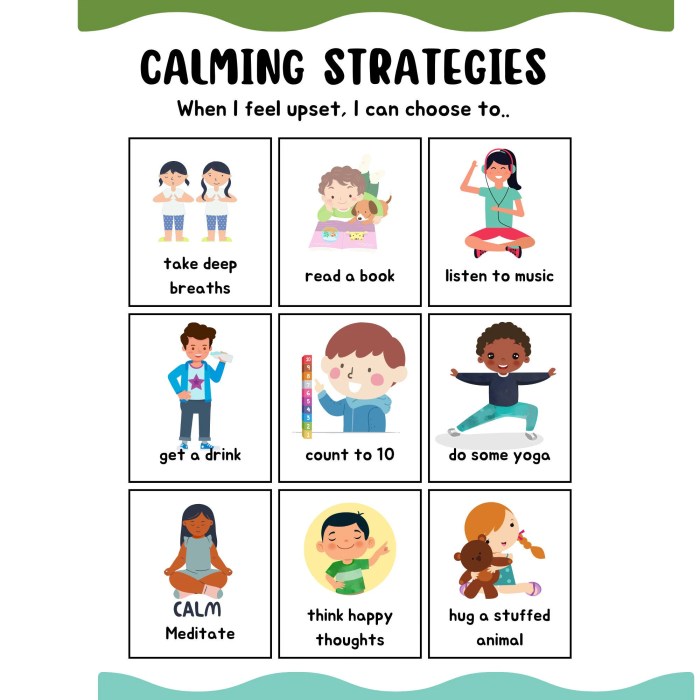
Creating a personalized visualization routine can be a powerful tool to calm the mind and improve focus. By following a few simple steps and incorporating visualization practices into your daily life, you can reap the benefits of this mindfulness technique.
Steps to Create a Personalized Visualization Routine
- Set aside dedicated time: Choose a specific time each day to practice visualization, whether it’s in the morning to start your day on a positive note or in the evening to unwind before bed.
- Find a quiet space: Select a quiet and comfortable space where you can relax without distractions. This could be a cozy corner in your home or a peaceful spot outdoors.
- Choose a visualization technique: Decide on a visualization exercise that resonates with you, such as imagining a peaceful beach or picturing yourself achieving a goal.
- Start with deep breathing: Begin your visualization routine with a few deep breaths to center yourself and prepare for the practice.
- Practice regularly: Consistency is key when it comes to visualization. Make an effort to incorporate this routine into your daily schedule for maximum benefits.
Tips to Incorporate Visualization Practices into Daily Life
- Integrate visualization into your morning or bedtime routine to establish a consistent practice.
- Use visualization as a tool to reduce stress and anxiety during challenging situations throughout the day.
- Combine visualization with other mindfulness techniques, such as meditation or yoga, for a holistic approach to mental well-being.
- Keep a journal to track your progress and reflect on how visualization impacts your mindset and overall mood.
Sample Visualization Exercise for Beginners
Close your eyes and envision yourself in a serene garden surrounded by beautiful flowers and gentle sunlight. Feel a sense of peace and tranquility wash over you as you take deep breaths and immerse yourself in this calming visualization. Focus on the sights, sounds, and sensations of the garden, allowing yourself to let go of any stress or worries. Spend a few minutes in this peaceful mental retreat before slowly returning to the present moment with a renewed sense of calm.
Enhancing Visualization with Tools and Resources
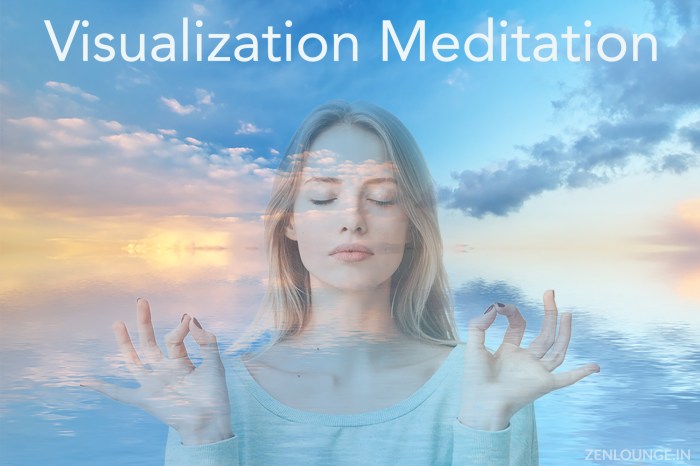
When it comes to enhancing your visualization practice, there are various tools and resources available that can help you deepen your experience and achieve greater mental calmness.
Exploring Meditation Apps and Visualization Aids
One way to enhance your visualization practice is by utilizing meditation apps or specific visualization aids. These tools often provide guided sessions, calming music, and visual prompts to assist you in focusing your mind and imagination.
Utilizing Music, Nature Sounds, and Aromatherapy
Another way to deepen your visualization experience is by incorporating music, nature sounds, or aromatherapy into your practice. Playing soothing music or natural sounds can create a relaxing atmosphere, while aromatherapy with essential oils can help in promoting a sense of tranquility and focus during visualization.
Recommendations for Books and Websites
If you are looking for more guidance on visualization techniques, there are numerous books and websites available that offer valuable insights and tips. Books like “Creative Visualization” by Shakti Gawain or websites like Mindvalley can provide you with a wealth of information to enhance your visualization practice.
Ending Remarks
In conclusion, 4 Visualization Practices to Calm the Mind: Urban Teen Surabaya Style offers a unique blend of techniques to help you achieve peace and mindfulness in your daily life. Embrace these practices and watch your mental well-being flourish.