Kicking off with 6 Simple Meditation Exercises for Building Emotional Stability, this journey will take you on a path to inner peace and emotional resilience. Get ready to unlock the power of meditation in a fun and engaging way!
Introduction to Emotional Stability through Meditation

Emotional stability refers to the ability to maintain a balanced and calm state of mind, regardless of external circumstances or internal emotions. It involves being in control of one’s feelings and reactions, leading to a sense of inner peace and resilience in the face of challenges.Meditation is a powerful tool that can help individuals achieve emotional stability by promoting self-awareness, mindfulness, and relaxation.
Through regular practice, meditation allows individuals to observe their thoughts and emotions without judgment, leading to a better understanding of their inner workings and patterns of behavior.
Benefits of Practicing Meditation for Emotional Well-being
- Meditation helps reduce stress and anxiety levels by calming the mind and body.
- It improves emotional regulation by enhancing self-awareness and promoting a sense of inner peace.
- Regular meditation practice can lead to increased resilience and better coping mechanisms in challenging situations.
- It fosters a positive outlook on life and helps individuals cultivate a more balanced emotional state.
- Meditation can enhance empathy and compassion towards oneself and others, leading to healthier relationships and improved emotional well-being.
Mindfulness Meditation

Mindfulness meditation is a practice that involves bringing one’s attention to the present moment without judgment. It plays a crucial role in enhancing emotional stability by helping individuals become more aware of their thoughts and feelings, allowing them to respond to situations in a calmer and more composed manner.
How to Practice Mindfulness Meditation
- Find a quiet and comfortable place to sit or lie down.
- Close your eyes and focus on your breath, following the rhythm of your inhales and exhales.
- Notice any thoughts, emotions, or sensations that arise without getting attached to them.
- Gently redirect your attention back to your breath whenever you find your mind wandering.
- Continue this practice for a few minutes to start and gradually increase the duration as you become more comfortable.
Examples of Mindfulness Meditation Exercises
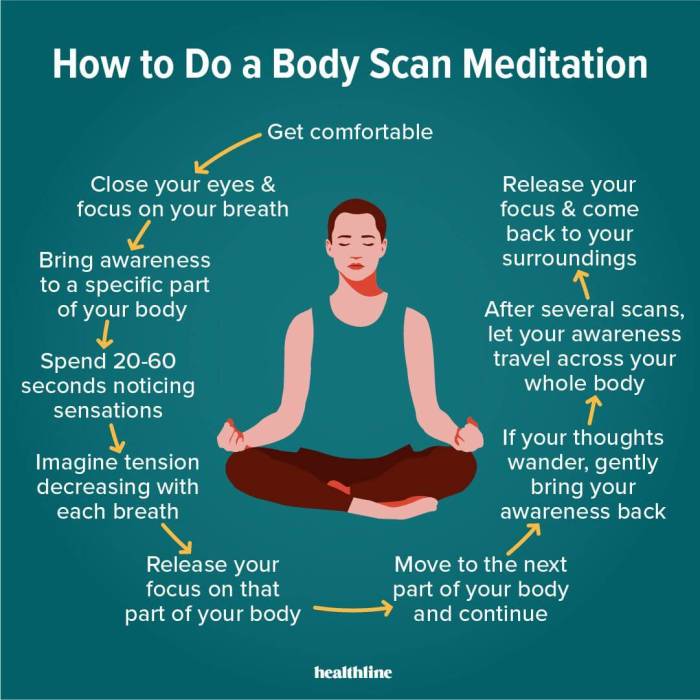
- Body Scan: Focus on each part of your body, starting from your toes and moving up to your head, noticing any tension or sensations along the way.
- Loving-Kindness Meditation: Send positive thoughts and wishes to yourself, loved ones, and even those you may have conflicts with, fostering compassion and empathy.
- Walking Meditation: Pay attention to each step you take, feeling the ground beneath your feet and the movement of your body as you walk slowly and mindfully.
Loving-Kindness Meditation
Loving-kindness meditation, also known as Metta meditation, is a practice that involves cultivating feelings of love, compassion, and goodwill towards oneself and others. This form of meditation aims to develop a sense of empathy and connection with all beings, promoting emotional stability and inner peace.
Steps to Practice Loving-Kindness Meditation
- Find a quiet and comfortable space to sit or lie down.
- Begin by focusing on your breath and calming your mind.
- Repeat positive affirmations such as “May I be happy, may I be healthy, may I be safe, may I live with ease.”
- Extend these wishes to others, starting with loved ones, then acquaintances, and eventually to all beings.
- Visualize sending love and kindness to each person or being as you recite the affirmations.
- Practice this meditation for a few minutes each day, gradually increasing the duration as you become more comfortable.
Real-Life Scenarios Benefits of Loving-Kindness Meditation
- Reducing stress and anxiety: By cultivating feelings of love and compassion, loving-kindness meditation can help alleviate stress and anxiety in daily life.
- Improving relationships: Practicing loving-kindness meditation can enhance empathy and understanding towards others, leading to healthier and more fulfilling relationships.
- Enhancing emotional resilience: Regular practice of loving-kindness meditation can build emotional stability and resilience, enabling individuals to navigate challenges with a positive mindset.
- Promoting self-love and acceptance: This form of meditation encourages self-compassion and acceptance, fostering a sense of inner peace and self-worth.
Body Scan Meditation: 6 Simple Meditation Exercises For Building Emotional Stability
Body scan meditation is a mindfulness practice that involves focusing on each part of the body, from head to toe, in a systematic way. This meditation technique helps increase self-awareness, reduce stress, and promote emotional stability.
Process of Conducting a Body Scan Meditation
- Find a comfortable and quiet place to sit or lie down.
- Close your eyes and take a few deep breaths to relax.
- Start by bringing your attention to the top of your head and slowly move down your body, focusing on each body part one at a time.
- Notice any sensations, tension, or discomfort in each area without judgment.
- Release any tension or stress you may feel as you scan each part of your body.
- Finish the meditation by taking a few deep breaths and slowly bringing your awareness back to the present moment.
Effects of Body Scan Meditation on Emotional Well-being
- Body scan meditation helps to release physical tension and relax the body, which can have a calming effect on the mind.
- By focusing on each body part, you become more aware of how stress and emotions manifest physically, allowing you to address and release them.
- Regular practice of body scan meditation can improve your ability to cope with stress, reduce anxiety, and enhance emotional resilience.
- Increased self-awareness through body scan meditation can lead to better emotional regulation and a greater sense of emotional stability.
Visualization Meditation
Visualization meditation is a powerful technique for enhancing emotional stability by using the mind’s eye to create positive mental images. This practice can help reduce stress, anxiety, and promote a sense of calmness and balance.
Techniques for Engaging in Visualization Meditation, 6 Simple Meditation Exercises for Building Emotional Stability
- Find a quiet and comfortable space to sit or lie down.
- Close your eyes and take several deep breaths to relax your body and mind.
- Visualize a peaceful and serene place, such as a beach or a forest, focusing on the details like colors, sounds, and sensations.
- Imagine yourself surrounded by a bubble of light or energy that protects you from negative emotions.
- Practice incorporating positive affirmations into your visualization to reinforce emotional stability.
Examples of Visualizations for Emotional Balance
- Visualize a warm, glowing light filling your heart space, radiating feelings of love and compassion towards yourself and others.
- Imagine a stream of water washing away any negative emotions or thoughts, leaving you feeling refreshed and renewed.
- Picture yourself releasing any tension or stress as colorful balloons that float away into the sky, lightening your emotional load.
- Envision a garden where you plant seeds of positivity and watch them grow into beautiful flowers, symbolizing emotional growth and resilience.
Breathing Exercises for Emotional Stability
Breathing exercises play a crucial role in achieving emotional stability by helping to calm the mind, reduce stress, and increase mindfulness. By focusing on the breath, individuals can bring their attention to the present moment and cultivate a sense of inner peace.
Diaphragmatic Breathing Technique
Diaphragmatic breathing, also known as deep breathing, involves breathing deeply into the diaphragm rather than shallowly into the chest. This technique can help activate the body’s relaxation response and reduce feelings of anxiety and tension.
- Find a comfortable seated or lying position.
- Place one hand on your chest and the other on your abdomen.
- Inhale deeply through your nose, allowing your abdomen to rise while keeping your chest relatively still.
- Exhale slowly through your mouth, feeling your abdomen fall as you release the breath.
- Repeat this process for several minutes, focusing on the sensation of your breath moving in and out of your body.
Box Breathing Technique
Box breathing, also known as square breathing, is a technique that involves inhaling, holding the breath, exhaling, and holding the breath again in equal counts. This method can help regulate breathing patterns and promote a sense of calmness.
- Inhale deeply for a count of four.
- Hold your breath for a count of four.
- Exhale slowly for a count of four.
- Hold your breath again for a count of four.
- Repeat this pattern for several rounds, focusing on the rhythmic nature of your breath.
Conclusive Thoughts
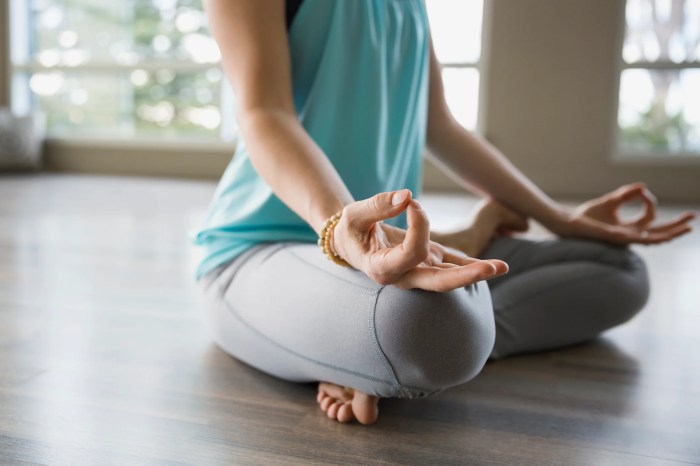
As we conclude our exploration of 6 Simple Meditation Exercises for Building Emotional Stability, remember that emotional well-being is just a breath away. Embrace these practices and watch your inner calm blossom like a zen garden in full bloom.