With 7 Ways to Incorporate Mindfulness into Meditation Practice at the forefront, embark on a journey to discover how to deepen your meditation practice through mindful awareness, visualization techniques, mantras, sensory experiences, movement practices, sacred spaces, and emotional reflection.
Explore the transformative power of mindfulness in meditation as we delve into practical tips and techniques to elevate your practice to new heights.
Ways to Cultivate Mindful Awareness During Meditation
Practicing mindfulness during meditation can greatly enhance the overall experience and benefits. There are specific techniques and approaches that can help you cultivate mindful awareness during your meditation practice.Focusing on the breath is a fundamental aspect of mindfulness meditation. By paying close attention to the sensations of the breath as you inhale and exhale, you can anchor yourself in the present moment.
This simple yet powerful technique helps calm the mind and cultivate a sense of awareness and presence.
Observing Thoughts Without Judgment
One important aspect of mindfulness practice is learning to observe your thoughts without getting caught up in them or passing judgment. During meditation, allow thoughts to come and go without attaching to them. Simply acknowledge their presence and gently guide your attention back to your breath or the present moment. This practice helps develop a non-reactive awareness of your thoughts and emotions.
Importance of Body Scanning
Body scanning involves systematically bringing awareness to different parts of your body during meditation. This practice helps you cultivate a deep sense of bodily awareness and presence. By scanning through your body from head to toe, you can observe any tension, discomfort, or sensations that arise without reacting to them. This technique promotes relaxation, mindfulness, and a deeper connection to your physical self during meditation.
Incorporating Mindfulness through Visualization Techniques
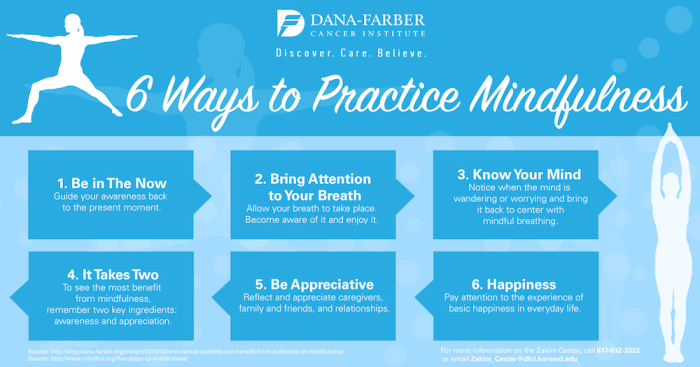
Visualization techniques can be a powerful tool to deepen mindfulness during meditation. By picturing calming scenes or images in our minds, we can enhance our focus and presence in the present moment.
Steps for Incorporating Imagery to Enhance the Meditation Experience
- Choose a peaceful and soothing image that resonates with you, such as a serene beach, a tranquil forest, or a beautiful sunset.
- Close your eyes and bring this image to mind, focusing on the details like colors, textures, and sounds associated with it.
- Immerse yourself in the scene, imagining yourself fully present in that peaceful environment.
- Allow yourself to experience the emotions and sensations that arise as you visualize the calming image.
- Stay with the visualization for a few minutes, breathing deeply and letting go of any distractions or thoughts.
Comparing Different Visualization Methods and Their Impact on Mindfulness
Guided imagery: Listening to recordings or instructions that lead you through different visualizations can be helpful for beginners.
Symbolic imagery: Using symbols or metaphors in your visualizations can deepen the meaning and connection to your practice.
Nature-based imagery: Visualizing natural elements like water, mountains, or plants can evoke a sense of calm and connection to the earth.
Past or future visualization: Reflecting on past memories or imagining future scenarios can also be incorporated into meditation to cultivate mindfulness.
Using Mantras and Affirmations for Mindful Meditation
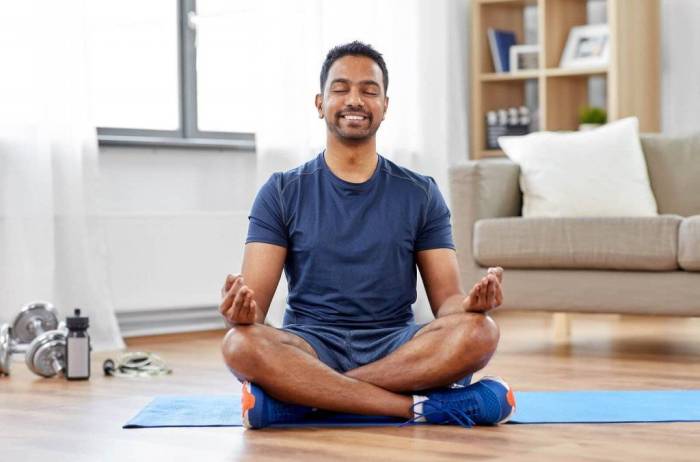
Incorporating mantras and affirmations into your meditation practice can be a powerful way to deepen mindfulness and focus. By repeating these phrases, you can anchor your attention and cultivate a sense of presence in the moment.Repeating mantras can help quiet the mind and bring a sense of calm and clarity. The rhythmic repetition of these sacred words or sounds can serve as a focal point, allowing you to let go of distracting thoughts and emotions.
This practice can create a sense of peace and inner stillness, enhancing your overall meditation experience.
Examples of Powerful Affirmations for Meditation
- “I am grounded, I am present, I am at peace.”
- “I radiate love and compassion to myself and others.”
- “I am open to receiving abundance and blessings in my life.”
- “I trust in the wisdom of the universe and surrender to the flow of life.”
The Role of Sound and Vibration in Mindful Meditation
Using mantras and affirmations that involve sound can also enhance the mindfulness experience. The vibrations created by chanting or vocalizing these phrases can resonate within your body, creating a harmonious energy that can help align your mind, body, and spirit. The sound of these words can serve as a soothing balm for the soul, helping you connect with your inner self on a deeper level.By incorporating mantras and affirmations into your meditation practice, you can cultivate a sense of mindfulness that transcends the physical and reaches into the spiritual realm.
These powerful tools can help you stay present, focused, and connected to the essence of your being as you journey within during meditation.
Engaging the Senses: 7 Ways To Incorporate Mindfulness Into Meditation Practice
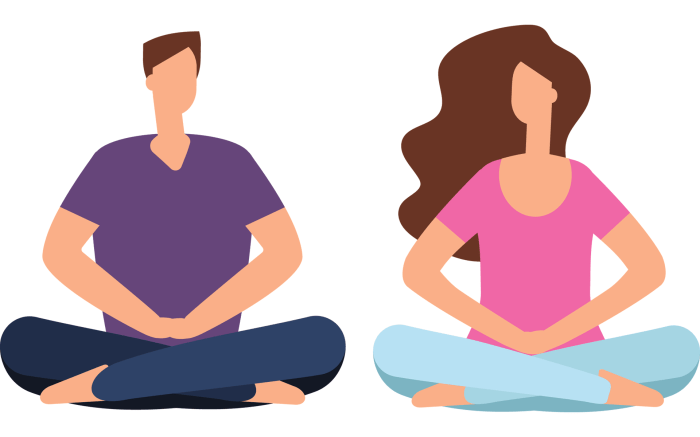
When it comes to mindfulness meditation, engaging the senses can significantly enhance your practice by grounding you in the present moment and deepening your connection to the experience.
Incorporating Touch
One way to incorporate touch into your meditation practice is to focus on the sensation of your breath as it enters and leaves your body. You can also gently touch different parts of your body to bring awareness to each area and promote relaxation.
Exploring Taste
During mindful meditation, you can bring mindfulness to eating by savoring each bite of food, paying attention to the flavors, textures, and sensations in your mouth. This practice can help you cultivate gratitude and awareness of the nourishment you receive.
Integrating Smell
Engaging your sense of smell can be especially powerful in meditation. You can light a scented candle or incense and focus on the aroma as you breathe deeply. This can create a calming and grounding effect, enhancing your overall mindfulness experience.
Embracing Sound
Listening mindfully to sounds around you or incorporating soothing music or nature sounds into your meditation can help you stay present and focused. Pay attention to the different tones, rhythms, and vibrations, allowing them to guide you deeper into a state of mindfulness.
Mindful Movement Practices during Meditation
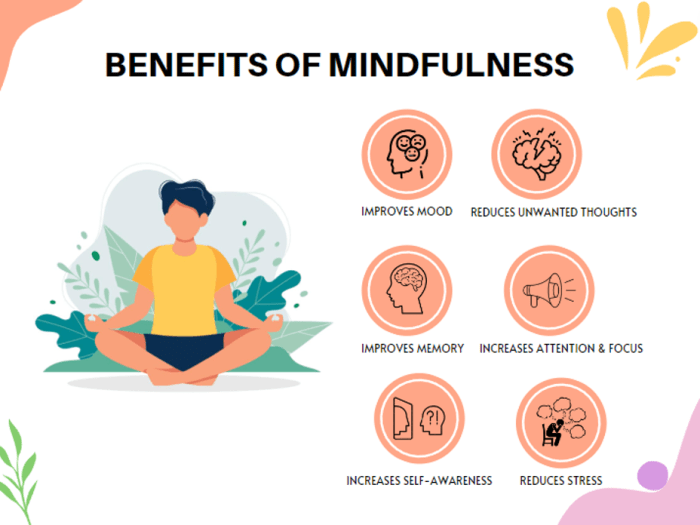
Integrating gentle movement into meditation can enhance mindfulness by allowing practitioners to connect more deeply with their bodies, breath, and present moment awareness. This can help in cultivating a sense of groundedness, relaxation, and focus during the practice.
Examples of Mindful Movement Practices
- Yoga: Yoga combines physical postures, breathwork, and meditation to promote mindfulness, flexibility, and strength. Practicing yoga can help individuals become more aware of their bodies and breath, leading to a deeper meditative experience.
- Tai Chi: Tai Chi is a martial art that involves slow, deliberate movements coordinated with deep breathing. This practice can improve balance, coordination, and mindfulness as practitioners focus on their movements and breath in a meditative way.
Connection between Movement, Breath, and Mindfulness
During mindful movement practices, such as yoga or Tai Chi, the synchronization of movement with breath helps individuals stay present in the moment. This connection allows for a deeper awareness of sensations, thoughts, and emotions that arise during the practice. By focusing on the breath and movement, practitioners can cultivate mindfulness both on and off the meditation cushion.
Creating a Sacred Space for Mindful Meditation
Creating a dedicated meditation space can significantly enhance the practice of mindfulness. By having a specific area designated for meditation, you signal to your mind and body that it is time to focus and be present. This deliberate act of setting up a sacred space can help cultivate a sense of tranquility and intentionality in your practice.
Tips for Creating a Tranquil Environment
- Choose a quiet area free from distractions where you feel comfortable and at ease.
- Decorate your space with items that promote relaxation, such as candles, cushions, or plants.
- Consider incorporating elements from nature, like stones or seashells, to connect with the grounding energy of the earth.
- Keep the space clean and organized to avoid clutter that can disrupt your focus.
- Use soft lighting or natural light to create a soothing ambiance that supports your meditation practice.
Impact of Ambiance on Meditation Practice
The ambiance of your meditation space can significantly affect the quality of your practice. A tranquil environment helps calm the mind, reduce stress, and enhance your ability to stay present and focused during meditation.
Reflecting on Emotions and Thoughts
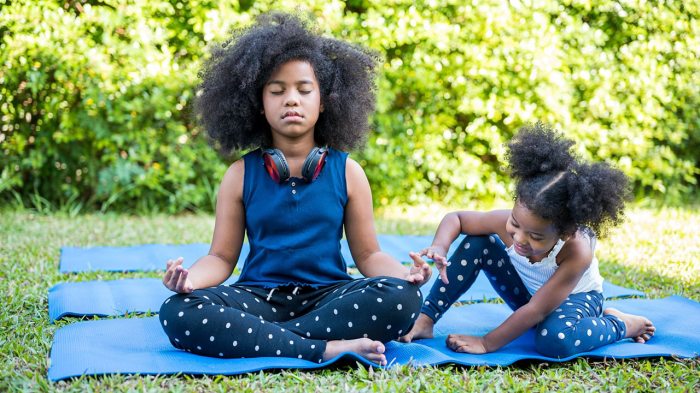
When it comes to mindfulness in meditation, reflecting on emotions and thoughts plays a crucial role in deepening our practice. By acknowledging and accepting our emotions, we create space for mindfulness to flourish. This allows us to observe our thoughts and feelings without judgment or attachment, leading to a deeper understanding of ourselves and the world around us.
Acknowledging Emotions and Thoughts
- Begin by bringing awareness to your emotions and thoughts as they arise during meditation.
- Notice any patterns or triggers that may be present in your mind and body.
- Acknowledge these emotions without trying to suppress or change them.
Observing Without Attachment
- Practice observing your thoughts and feelings as if you are an impartial observer, without getting caught up in them.
- Avoid labeling your emotions as good or bad, simply observe them as they come and go.
- Notice how your thoughts can shape your emotions and vice versa, without getting entangled in the stories they tell.
Transformative Power of Mindfulness, 7 Ways to Incorporate Mindfulness into Meditation Practice
- By cultivating mindfulness in reflecting on emotions and thoughts, we can develop a greater sense of self-awareness and emotional intelligence.
- Through mindfulness, we can learn to respond to our emotions in a more skillful and compassionate way, rather than reacting impulsively.
- Processing our emotions during meditation allows us to release pent-up tension and cultivate a sense of inner peace and balance.
Last Recap
Experience a profound shift in your meditation practice by incorporating these 7 powerful ways to enhance mindfulness. Embrace the present moment fully and cultivate a deeper sense of self-awareness through these mindfulness practices.