Delving into 10 Effective Methods for Meditating with Children, this introduction immerses readers in a unique and compelling narrative. Discover how meditation can benefit children’s mental and emotional well-being, and enhance their focus and concentration through engaging techniques.
Benefits of Meditating with Children
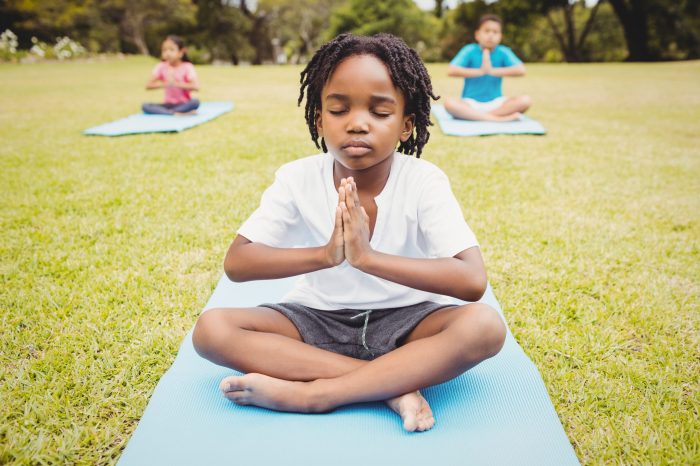
Meditation can offer numerous benefits when practiced with children. By introducing meditation at a young age, children can develop essential skills for their mental and emotional well-being.Meditation can positively impact children’s mental and emotional well-being by helping them manage stress and anxiety. It teaches children to be present in the moment, fostering a sense of calm and inner peace.
Improved Focus and Concentration
- Meditation can help children enhance their focus and concentration skills by teaching them to pay attention to their breath or a specific point of focus.
- Regular practice of meditation can improve children’s ability to concentrate on tasks and activities, leading to better academic performance.
- By training the mind to focus during meditation sessions, children can apply this skill to other areas of their lives, such as studying or playing sports.
Setting the Right Environment: 10 Effective Methods For Meditating With Children
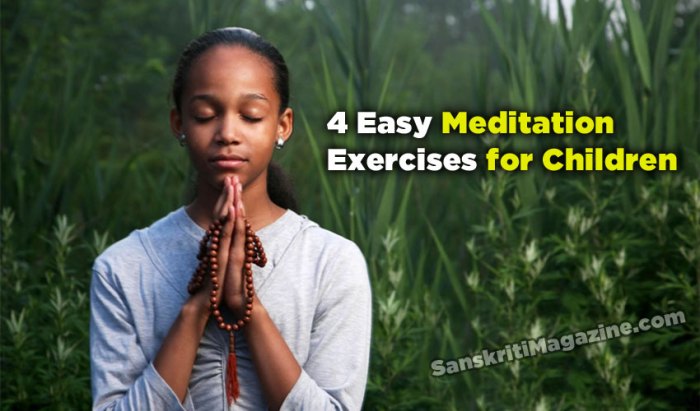
Creating a calm and peaceful space is crucial when meditating with children. A soothing environment can help them relax, focus, and fully engage in the practice.
Tips for Setting up a Comfortable Environment
- Avoid clutter and ensure the space is clean and tidy to minimize distractions.
- Use soft lighting to create a warm and inviting atmosphere.
- Play soothing music or nature sounds in the background to enhance relaxation.
- Consider adding comfortable cushions or mats for children to sit or lie down on during meditation.
- Choose a quiet area free from loud noises or interruptions to help children stay focused.
Age-Appropriate Meditation Techniques
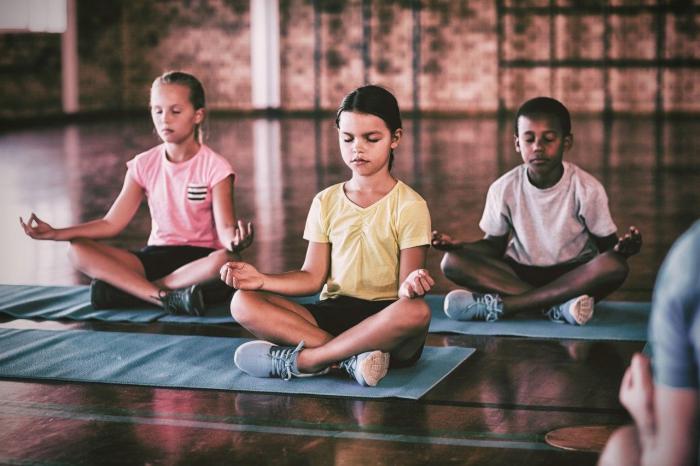
When it comes to practicing meditation with children, it’s essential to tailor the techniques based on their age. Different age groups have varying levels of understanding and attention spans, so it’s crucial to choose methods that are engaging and accessible for them.
Preschoolers (Ages 3-5), 10 Effective Methods for Meditating with Children
- Simple breathing exercises: Encourage preschoolers to take deep breaths in and out, counting slowly to help them focus.
- Imaginary journeys: Guide them through visualizations of calming and peaceful places, such as a beach or a forest.
Elementary School Children (Ages 6-12)
- Body scan meditation: Help children focus on different parts of their body, relaxing each one by one.
- Mindful listening: Engage children in listening to various sounds around them, teaching them to be present in the moment.
Teenagers (Ages 13 and above)
- Loving-kindness meditation: Encourage teenagers to send positive thoughts and wishes to themselves and others, promoting empathy and compassion.
- Gratitude meditation: Guide them to reflect on things they are grateful for, fostering a sense of appreciation and positivity.
Incorporating Mindfulness Activities
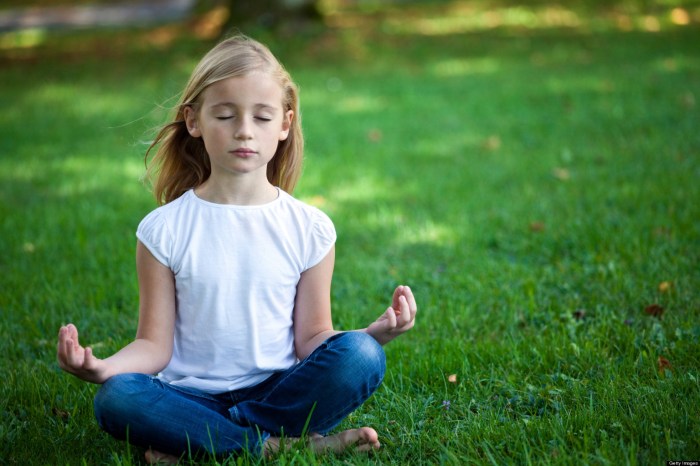
When it comes to meditating with children, incorporating mindfulness activities can further enhance their experience and overall well-being. Mindfulness and meditation go hand in hand, with mindfulness helping children develop a deeper sense of awareness and focus during meditation sessions.
Examples of Mindfulness Activities
- Guided Body Scan: Encourage children to focus on each part of their body, starting from their toes up to their head, noticing any sensations without judgment.
- Breathing Exercises: Teach children simple breathing techniques like deep belly breathing or counting breaths to help them stay present and calm.
- Sensory Awareness: Engage children in activities that involve exploring their senses, such as mindful eating, listening to nature sounds, or feeling different textures.
- Gratitude Journaling: Encourage children to write or draw things they are grateful for, promoting a positive mindset and emotional well-being.
Benefits of Mindfulness Practices for Children
- Enhanced Self-Awareness: Mindfulness activities help children become more in tune with their thoughts, emotions, and physical sensations, fostering a better understanding of themselves.
- Improved Emotional Regulation: By practicing mindfulness, children learn to acknowledge and manage their emotions effectively, leading to reduced stress and increased emotional resilience.
- Enhanced Focus and Concentration: Mindfulness activities train children to pay attention to the present moment, improving their ability to focus on tasks and activities both in and out of meditation.
Closure
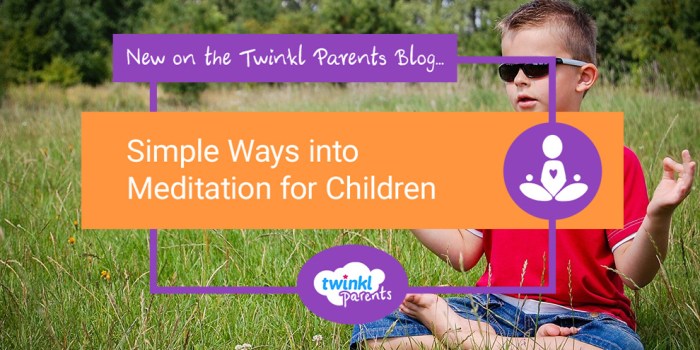
Explore the world of meditation with children through these effective methods that promote mindfulness and self-awareness. Implement these strategies to create a peaceful environment and help children develop essential skills for a balanced and focused life.