Delving into 12 Daily Practices to Improve Meditation Skills, this introduction immerses readers in a unique and compelling narrative, with casual formal language style that is both engaging and thought-provoking from the very first sentence.
Embark on a journey to enhance your meditation skills through daily practices that encompass mindfulness exercises, breathing techniques, setting intentions, and creating a sacred space for optimal tranquility and focus.
Importance of Daily Practices
Consistent daily practices are crucial for improving meditation skills because they help in developing a routine, enhancing focus, and building a strong foundation for progress. By meditating daily, individuals can train their minds to be more present and cultivate a sense of mindfulness that can be carried throughout the day.
Examples of Other Disciplines
In disciplines such as music, sports, and art, daily practices are essential for skill enhancement. Musicians practice scales daily to improve their technique, athletes train every day to enhance their performance, and artists create daily to hone their craft. The repetition and consistency in daily practice help individuals master their skills and reach higher levels of proficiency.
Impact of Daily Practice vs. Sporadic Practice
The impact of daily practice on meditation proficiency is significant compared to sporadic practice. Daily meditation allows individuals to build momentum, establish a routine, and gradually deepen their practice over time. On the other hand, sporadic practice can lead to inconsistency, hindering progress and making it challenging to experience the full benefits of meditation. Consistency is key in meditation practice to cultivate a sense of inner peace, clarity, and emotional well-being.
Mindfulness Exercises
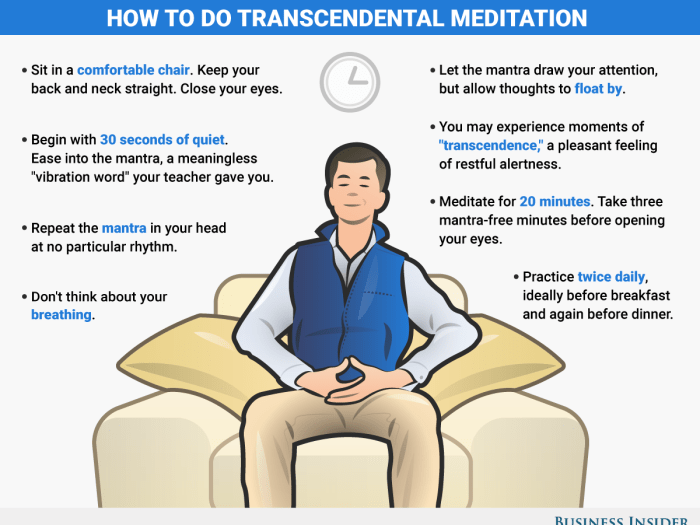
Incorporating mindfulness exercises into your daily routine can greatly enhance your meditation practice by helping you develop focus and concentration. Here are 12 mindfulness exercises that you can include in your daily practice:
1. Body Scan
- Focus on each part of your body starting from your toes up to your head.
- Helps in increasing body awareness and grounding your mind in the present moment.
2. Mindful Breathing
- Concentrate on your breath, observing each inhalation and exhalation.
- Improves concentration and calms the mind, making it easier to stay focused during meditation.
3. Walking Meditation
- Pay attention to each step you take, focusing on the sensations in your feet.
- Enhances mindfulness and allows you to bring awareness to your movements.
4. Loving-Kindness Meditation
- Send positive thoughts and well-wishes to yourself and others.
- Cultivates compassion and empathy, fostering a positive mindset for meditation.
5. Sound Meditation
- Listen to the sounds around you without judgment or attachment.
- Trains your mind to be more present and attentive, improving focus during meditation.
6. Gratitude Practice
- Reflect on things you are thankful for and express gratitude.
- Promotes a positive outlook and helps in shifting your focus to the present moment.
7. Mindful Eating
- Savor each bite of your food, focusing on the taste, texture, and sensations.
- Encourages mindfulness and brings awareness to the act of eating, improving concentration.
8. Visualization Exercise
- Imagine a peaceful place or scenario in your mind, engaging all your senses.
- Aids in relaxation and visualization, enhancing your ability to concentrate during meditation.
9. Body Movement Awareness
- Observe the sensations in your body as you move or stretch.
- Increases body-mind connection and mindfulness, supporting focused meditation practice.
10. Noting Practice
- Label your thoughts, emotions, or sensations as they arise during meditation.
- Develops awareness and helps in maintaining focus by acknowledging distractions without attachment.
11. Progressive Muscle Relaxation
- Tense and release different muscle groups in your body, one at a time.
- Promotes relaxation and body awareness, aiding in reducing physical tension for better focus.
12. Mindful Journaling
- Write down your thoughts, feelings, and experiences without judgment.
- Fosters self-reflection and mindfulness, supporting a clear and focused mind for meditation.
Breathing Techniques
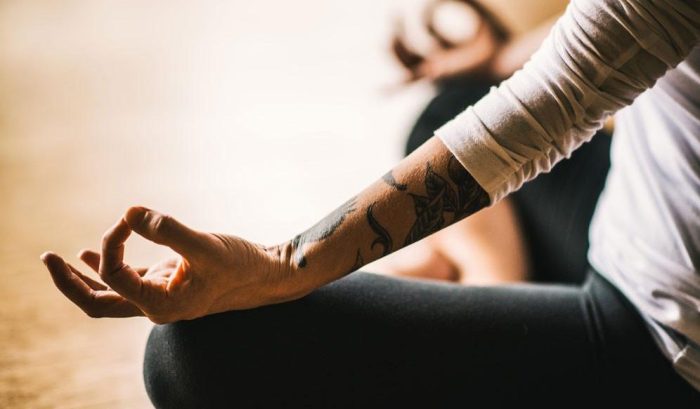
Breathing techniques play a crucial role in enhancing meditation skills by helping individuals achieve a state of relaxation, focus, and mindfulness. By incorporating specific breathing patterns and practices, meditators can deepen their practice and experience a greater sense of calm and clarity.
Deep Breathing
- Deep breathing involves taking slow, deliberate breaths, filling the lungs with air and exhaling fully. This technique helps calm the nervous system, reduce stress, and increase oxygen flow to the brain.
- Practice deep breathing by inhaling deeply through the nose, expanding the belly, and then exhaling slowly through the mouth. Repeat this process for several minutes to feel more centered and present.
- Deep breathing can be particularly effective in grounding the mind and body before diving into a meditation session, creating a strong foundation for a focused practice.
Rhythmic Breathing Patterns
- Rhythmic breathing involves establishing a consistent pattern of inhales and exhales, such as a 4-4-4-4 count (inhale for 4 counts, hold for 4 counts, exhale for 4 counts, hold for 4 counts).
- This technique helps synchronize the breath with movements or mantras during meditation, fostering a sense of rhythm and flow in the practice.
- By focusing on rhythmic breathing, individuals can maintain a steady pace of breath throughout their meditation, preventing distractions and promoting a deeper sense of awareness.
Personal Experience
- Through consistent practice of deep breathing and rhythmic patterns, I have noticed a significant improvement in my ability to stay present and focused during meditation sessions.
- Deep breathing has helped me release tension and anxiety, allowing me to enter a more relaxed state of mind conducive to deeper meditation.
- Rhythmic breathing patterns have enhanced my concentration and helped me establish a seamless connection between breath and movement, enriching my overall meditation experience.
Setting Intentions
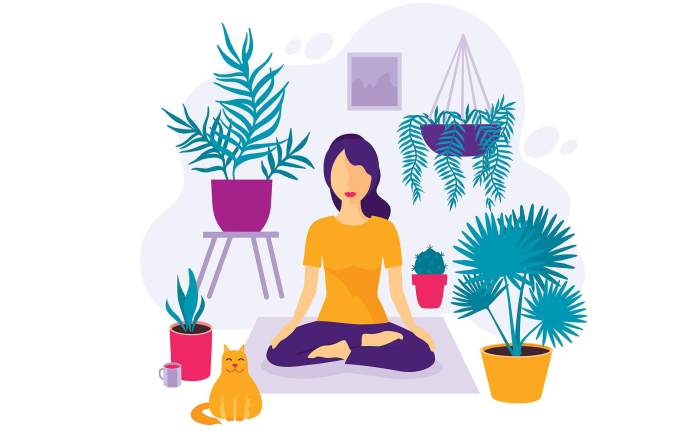
Setting intentions before each meditation session is a crucial aspect of enhancing the quality of practice and deepening mindfulness. By clearly defining your purpose and focus for the session, you create a mental roadmap that guides your meditation experience.
Importance of Setting Intentions, 12 Daily Practices to Improve Meditation Skills
- Setting intentions helps cultivate a sense of direction and purpose for your practice, ensuring that you are not simply going through the motions but actively engaging with the meditation process.
- Clear intentions provide a framework for your mind to follow, reducing distractions and allowing you to stay present and focused throughout the session.
- By setting intentions, you create a sense of commitment to your practice, motivating you to show up fully and dedicate yourself to the meditation session.
Tips for Establishing Clear Intentions
- Start by reflecting on your reasons for meditating and what you hope to achieve through your practice.
- Phrase your intentions in positive language, focusing on what you want to cultivate or experience during the session rather than what you want to avoid.
- Keep your intentions simple and specific, avoiding vague or overly complex goals that may be difficult to maintain focus on.
Contributions to Mindfulness and Presence
- Setting intentions creates a foundation for mindfulness by bringing a conscious awareness to the present moment and the purpose of your practice.
- It encourages a deeper level of presence by anchoring your mind in the intentions you have set, allowing you to connect more fully with the meditation experience.
- By consistently setting intentions before each session, you develop a greater sense of self-awareness and intentionality in your practice, leading to increased mindfulness both on and off the meditation cushion.
Creating a Sacred Space
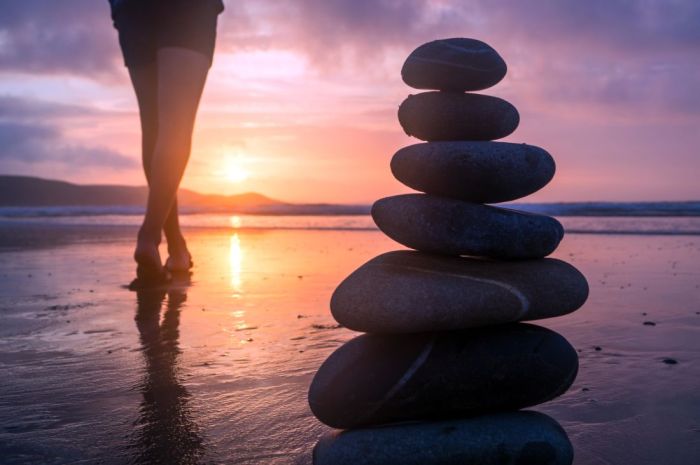
Creating a sacred space for meditation practice holds immense significance in enhancing the quality and consistency of one’s meditative experience. A dedicated space helps in establishing a routine, setting the right ambiance, and fostering a sense of peace and tranquility essential for deepening the practice.
Designing a Personalized Sacred Space
- Choose a quiet corner or room in your home where you can meditate without distractions.
- Add elements that resonate with you, such as candles, crystals, plants, or meaningful artwork.
- Incorporate comfortable cushions or a meditation bench to support your posture during practice.
- Keep the space clean, clutter-free, and organized to promote a sense of calm and clarity.
Impact of Environment on Meditation
The environment plays a crucial role in meditation practice as it directly affects one’s ability to focus and relax. A well-designed sacred space can create a conducive atmosphere for deepening your meditation practice and experiencing greater mindfulness.
End of Discussion: 12 Daily Practices To Improve Meditation Skills

In conclusion, integrating these daily practices into your routine can significantly elevate your meditation experience, leading to improved focus, clarity, and mindfulness in your daily life. Dive into these techniques and watch your meditation skills flourish like never before.