As 15 Reasons Meditation Should Be Part of Your Routine takes center stage, this opening passage beckons readers with motivational lecture style into a world crafted with good knowledge, ensuring a reading experience that is both absorbing and distinctly original.
Meditation is not just a practice; it’s a transformative journey that impacts every facet of your life – from reducing stress to improving focus, enhancing emotional well-being, and fostering better physical health. Let’s delve into the 15 compelling reasons why meditation should be an integral part of your daily routine.
Benefits of Meditation
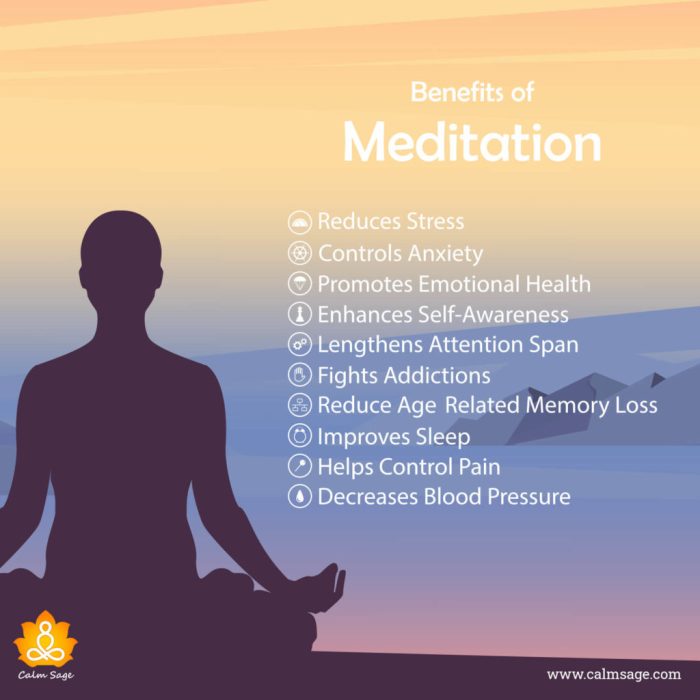
Meditation is a powerful practice that offers a wide range of benefits for both the mind and body. From reducing stress and anxiety to improving mental clarity and focus, the positive impacts of meditation are truly transformative.
Reducing Stress and Anxiety
Meditation has been proven to be an effective tool for reducing stress and anxiety. By focusing on the present moment and practicing mindfulness, individuals can learn to calm their minds and let go of worries and tension. This can lead to a greater sense of peace and relaxation in daily life.
Enhancing Mental Clarity and Focus, 15 Reasons Meditation Should Be Part of Your Routine
Through regular meditation practice, individuals can experience improved mental clarity and focus. By training the mind to stay present and focused on the task at hand, meditation can help sharpen cognitive abilities and enhance concentration. This can lead to increased productivity and a greater sense of mental alertness.
Improving Emotional Well-Being
Meditation is also known to enhance emotional well-being by helping individuals cultivate a sense of inner peace and balance. By developing self-awareness and learning to observe thoughts and emotions without judgment, meditation can promote emotional resilience and foster a positive outlook on life. This can lead to greater emotional stability and a deeper sense of contentment.
Boosting Physical Health
In addition to its mental and emotional benefits, meditation can also have a positive impact on physical health. Studies have shown that regular meditation practice can help lower blood pressure, reduce inflammation, and strengthen the immune system. By promoting relaxation and reducing stress, meditation can support overall health and well-being.
Types of Meditation Practices

Meditation comes in many forms, each with its own unique techniques and benefits. Whether you prefer mindfulness, loving-kindness, or transcendental meditation, there is a practice that can suit your needs and preferences.
Mindfulness Meditation
- Mindfulness meditation involves focusing on the present moment without judgment.
- Practitioners often pay attention to their breath, bodily sensations, and thoughts.
- This practice can help reduce stress, improve concentration, and enhance self-awareness.
Loving-Kindness Meditation
- Loving-kindness meditation involves cultivating feelings of compassion and goodwill towards oneself and others.
- Practitioners often repeat phrases of loving-kindness and visualize sending positive energy to others.
- This practice can help increase feelings of empathy, reduce negative emotions, and promote emotional well-being.
Transcendental Meditation
- Transcendental meditation involves silently repeating a mantra to achieve a state of relaxed awareness.
- Practitioners typically sit with their eyes closed for 15-20 minutes twice a day.
- This practice can help reduce anxiety, improve focus, and promote overall mental clarity.
Guided Meditation vs. Self-Guided Meditation
- Guided meditation involves following the instructions of a trained teacher or recorded audio to lead you through the practice.
- Self-guided meditation allows you to meditate independently without external guidance, using your own techniques or focusing on your breath.
- Both types have their benefits, with guided meditation being helpful for beginners and self-guided meditation offering more flexibility and personalization.
Setting Up a Meditation Routine
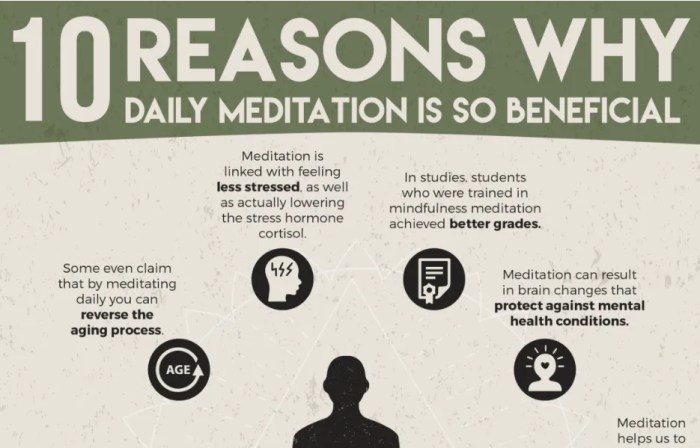
Creating a dedicated meditation routine can significantly enhance the benefits of this practice. Let’s explore some key aspects to consider when setting up a meditation routine at home.
Creating a Comfortable Meditation Space
- Choose a quiet and peaceful corner of your home where you can sit comfortably without distractions.
- Add elements like cushions, blankets, or a meditation chair to create a cozy and inviting space.
- Consider incorporating soothing elements like candles, essential oils, or calming decor to enhance the ambiance.
- Ensure good ventilation and natural light to create a refreshing environment for meditation.
Ideal Time of Day for Meditation
- Early morning is often recommended as an ideal time for meditation, as the mind is fresh and the surroundings are usually quiet.
- However, you can choose any time of day that works best for you and aligns with your schedule.
- Consistency is key, so pick a time that you can commit to daily for your meditation practice.
Setting Realistic Meditation Goals
- Start with a realistic goal, such as meditating for 5 minutes a day, and gradually increase the duration as you progress.
- Focus on establishing a regular practice rather than setting lofty goals that may be difficult to maintain.
- Create a meditation schedule and stick to it, treating it as an essential part of your daily routine.
- Track your progress and celebrate small milestones to stay motivated on your meditation journey.
Overcoming Common Challenges
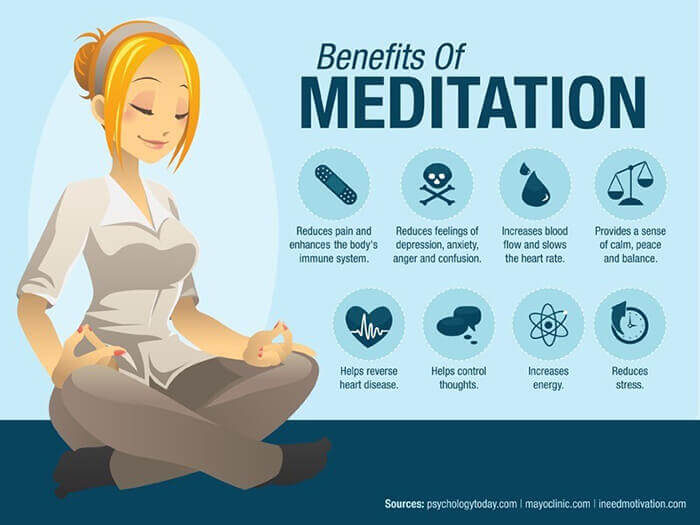
Starting a meditation practice can come with its own set of challenges, but with the right strategies and mindset, you can overcome these obstacles and make meditation a consistent part of your routine.
Dealing with Distractions During Meditation
Distractions are a common challenge faced during meditation. Whether it’s external noise, wandering thoughts, or physical discomfort, staying focused can be difficult. One strategy to deal with distractions is to acknowledge them without judgment and gently guide your attention back to your breath or mantra. Remember that distractions are a natural part of the practice, and each time you bring your focus back, you are strengthening your ability to concentrate.
Handling Restlessness or Impatience While Meditating
Restlessness and impatience can arise when you feel like you’re not experiencing the benefits of meditation immediately. It’s important to remember that meditation is a practice that requires patience and consistency. If you find yourself feeling restless or impatient, try bringing your awareness to the present moment and focusing on your breath. Allow yourself to let go of any expectations and simply be with whatever arises during your practice.
Staying Motivated and Consistent with Meditation
Maintaining motivation and consistency with meditation can be a challenge, especially when life gets busy or when you don’t see immediate results. One tip is to set realistic goals for your practice and celebrate small milestones along the way. Create a dedicated space for meditation, establish a routine, and remind yourself of the reasons why you started meditating in the first place.
Surround yourself with supportive resources like guided meditation apps or community groups to stay inspired and motivated on your meditation journey.
Meditation and Sleep: 15 Reasons Meditation Should Be Part Of Your Routine
Meditation can have a profound impact on your sleep quality and overall relaxation. By incorporating meditation into your routine, you can create a sense of calmness that prepares your mind and body for a restful night’s sleep.
Improving Sleep Quality
- Meditation helps to calm the mind and reduce stress, which can often be a barrier to falling asleep.
- Practicing mindfulness through meditation can enhance your awareness of bodily sensations, making it easier to identify and address any discomfort that may be disrupting your sleep.
- By focusing on your breath or a specific mantra during meditation, you can quiet the racing thoughts that often keep people awake at night.
Reducing Insomnia and Sleep Disorders
- Regular meditation has been linked to a reduction in symptoms of insomnia and other sleep disorders.
- The relaxation response triggered by meditation can help regulate sleep patterns and promote a deeper, more restorative sleep.
- Practicing meditation before bedtime can signal to your body that it’s time to wind down, creating a natural transition to sleep.
Meditation and Productivity
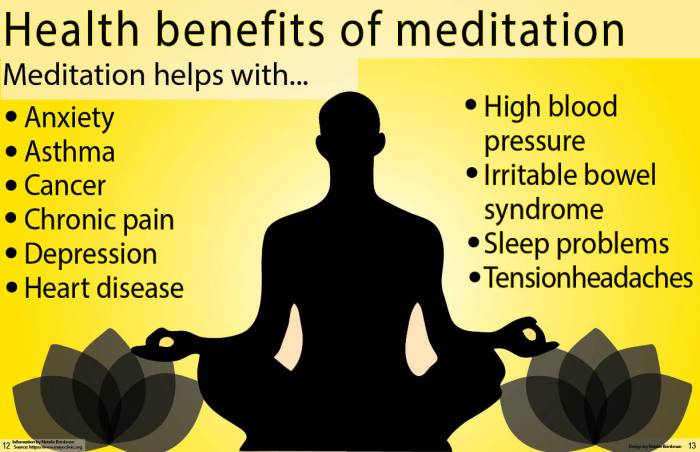
Meditation plays a crucial role in enhancing productivity by improving focus, concentration, and overall cognitive function. Incorporating short meditation sessions into your daily routine can have a profound impact on your efficiency and effectiveness in various tasks. Additionally, meditation can help reduce procrastination and enhance time management skills, leading to better productivity outcomes.
Tips for Enhancing Focus and Concentration
- Start your day with a short meditation session to set a focused and positive tone for the rest of the day.
- Practice mindfulness meditation to train your mind to stay present and avoid distractions.
- Use breathing techniques during meditation to calm your mind and improve concentration.
- Take short meditation breaks throughout the day to refresh your mind and maintain focus.
Incorporating Meditation into a Busy Schedule
- Allocate small pockets of time, such as 5-10 minutes, for quick meditation sessions during breaks or downtime.
- Integrate meditation into your daily routine by linking it with a specific activity, such as before or after meals.
- Use guided meditation apps or online resources to streamline your meditation practice and make it more accessible.
Reducing Procrastination and Improving Time Management
- Practice meditation techniques that promote self-discipline and self-awareness to overcome procrastination tendencies.
- Set specific goals and intentions for each meditation session to align your actions with your priorities and manage time effectively.
- Reflect on your daily meditation practice to identify patterns of behavior and thought that may be hindering your productivity.
Outcome Summary
Embrace the power of meditation as you embark on a path towards holistic wellness. Remember, the benefits of this ancient practice extend far beyond what meets the eye. Make meditation a non-negotiable part of your routine and watch as it transforms your life in ways you never thought possible.