3 Quick Meditation Methods for Busy Schedules sets the stage for this enthralling narrative, offering readers a glimpse into a story that is rich in detail with casual lecture style and brimming with originality from the outset.
In today’s fast-paced world, finding time for meditation can seem daunting. However, with these three quick and effective techniques, even the busiest individuals can incorporate moments of mindfulness into their daily routines.
Introduction to Meditation Methods

Meditation is a practice that involves focusing the mind on a particular object, thought, or activity to achieve mental clarity, emotional calmness, and overall well-being. It has been practiced for centuries in various cultures and religions, with numerous benefits for both the mind and body.
Research has shown that incorporating meditation into daily routines can have a positive impact on mental health by reducing stress, anxiety, and depression. It can also improve focus, creativity, and emotional regulation, leading to a more balanced and fulfilling life.
The Importance of Meditation for Busy Schedules
With our fast-paced and demanding lifestyles, it is crucial to find moments of stillness and reflection to recharge and stay grounded. Despite busy schedules, taking even a few minutes each day to meditate can make a significant difference in managing stress and enhancing overall well-being.
- Meditation can help increase productivity by improving concentration and clarity of thought.
- It can enhance self-awareness and emotional intelligence, leading to better decision-making and relationships.
- Regular meditation practice has been linked to improved sleep quality and boosted immune function.
Statistics on the Positive Effects of Meditation
Studies have shown that meditation can have a profound impact on mental health and overall well-being. For example, a study published in JAMA Internal Medicine found that mindfulness meditation programs can help reduce symptoms of anxiety, depression, and pain.
According to the National Center for Complementary and Integrative Health, meditation has been shown to reduce symptoms of stress and improve overall quality of life.
Quick Meditation Method 1: Mindful Breathing
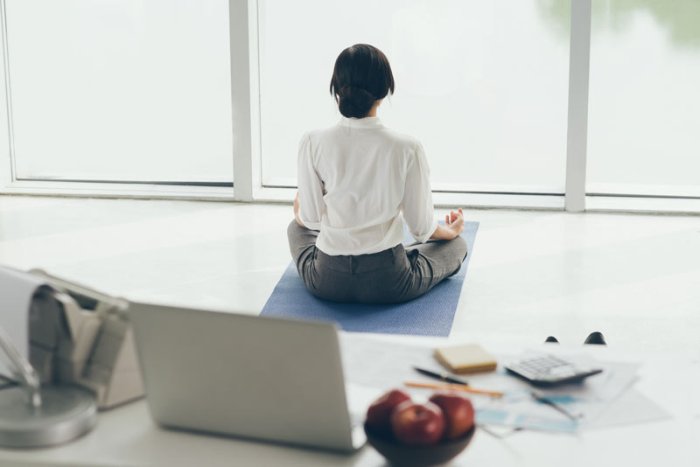
Mindful breathing is a form of meditation that involves focusing on your breath to bring your attention to the present moment. It helps to calm the mind, reduce stress, and improve overall well-being.
Concept of Mindful Breathing
Practicing mindful breathing involves paying attention to your breath as it flows in and out of your body. The key is to observe the sensation of each inhale and exhale without judgment, simply being aware of the present moment.
- Find a quiet and comfortable place to sit or stand.
- Close your eyes and take a few deep breaths to center yourself.
- Focus on the natural rhythm of your breath, noticing the sensation of air entering and leaving your body.
- If your mind starts to wander, gently bring your focus back to your breath without criticizing yourself.
- Continue this practice for a few minutes, gradually increasing the duration as you become more comfortable.
Tips to Incorporate Mindful Breathing into a Busy Daily Routine
Practicing mindful breathing doesn’t have to take up a lot of time. Here are some tips to incorporate this meditation method into your busy schedule:
- Set aside a few minutes in the morning before you start your day to practice mindful breathing.
- Take short mindful breathing breaks throughout the day, even if it’s just for a minute or two.
- Use cues like a ringing phone or a red traffic light to remind yourself to take a moment for mindful breathing.
- Combine mindful breathing with daily activities like walking or washing dishes to make it a seamless part of your routine.
- Practice mindful breathing before bed to help relax and unwind after a long day.
Quick Meditation Method 2: Body Scan Meditation
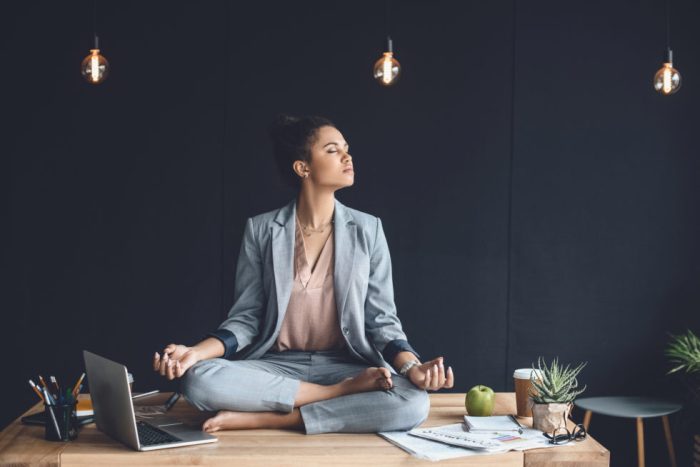
Body scan meditation is a mindfulness practice that involves focusing on different parts of the body, systematically scanning from head to toe to bring awareness to physical sensations and release tension.
Process of Body Scan Meditation
- Find a comfortable position either sitting or lying down, close your eyes, and bring your attention to your breath.
- Start by focusing on the sensations in your toes, then gradually move up through each part of the body, paying attention to any feelings of tension or discomfort.
- As you scan each body part, consciously relax and release any tension you may be holding in that area.
- Continue this process until you have scanned and released tension from head to toe, taking deep breaths and staying present in the moment throughout.
Benefits of Body Scan Meditation
- Reduces stress and anxiety by promoting relaxation and mindfulness.
- Helps improve body awareness and the connection between mind and body.
- Enhances overall sense of well-being and physical comfort.
- Can aid in better sleep quality and management of chronic pain.
Quick Meditation Method 3: Guided Visualization: 3 Quick Meditation Methods For Busy Schedules
Guided visualization is a meditation technique that involves creating a mental image or scenario to achieve a specific goal or outcome. The purpose of guided visualization is to harness the power of imagination to promote relaxation, reduce stress, and enhance focus.
Examples of Guided Visualization Scenarios for Quick Meditation
- Imagine yourself walking along a peaceful beach, feeling the warmth of the sun on your skin and hearing the gentle sound of the waves.
- Visualize yourself in a lush forest, surrounded by tall trees and the soothing sounds of nature, feeling a sense of calm and tranquility.
- Picture yourself achieving a goal or overcoming a challenge, visualizing every step of the process and feeling a sense of accomplishment and fulfillment.
How Guided Visualization Can Help Improve Focus and Reduce Anxiety, 3 Quick Meditation Methods for Busy Schedules
Guided visualization can help improve focus by directing your attention to a specific scenario or image, allowing you to block out distractions and center your mind on the present moment. By engaging your imagination in a positive and calming way, guided visualization can also reduce anxiety and stress levels, promoting a sense of inner peace and relaxation.
Last Word

In conclusion, integrating meditation into a hectic schedule is not only possible but also essential for overall well-being. By utilizing these three quick methods, individuals can experience moments of peace and clarity amidst the chaos of everyday life.