With 8 Breathing Practices for Enhancing Meditation at the forefront, embark on a journey towards a more profound meditative experience. Explore the power of breathwork and discover how these techniques can enhance your meditation practice.
From deep breathing to visualization techniques, each method offers a unique way to deepen your focus, calm your mind, and promote relaxation during meditation sessions. Dive into the world of breathwork and elevate your mindfulness practice today.
Introduction to Breathing Practices for Meditation
Breathing practices play a crucial role in enhancing the overall meditation experience. By incorporating specific breathing techniques, individuals can deepen their focus, calm the mind, and achieve a more profound state of relaxation during meditation sessions. Focusing on breathwork not only helps in cultivating mindfulness but also aids in promoting emotional well-being and reducing stress levels.
Benefits of Incorporating Breathing Techniques, 8 Breathing Practices for Enhancing Meditation
- Improved Focus: Concentrating on the breath helps in redirecting the mind from distractions, allowing for better focus and attention during meditation.
- Enhanced Relaxation: Deep breathing techniques can trigger the body’s relaxation response, leading to a sense of calm and tranquility.
- Stress Reduction: Controlled breathing practices have been shown to lower cortisol levels and alleviate stress, promoting overall mental well-being.
- Heightened Awareness: Paying attention to the rhythm of breathing can increase self-awareness and mindfulness, fostering a deeper connection with the present moment.
- Emotional Stability: Breathwork can help in regulating emotions, promoting a sense of balance and equanimity in dealing with daily challenges.
Deep Breathing Techniques: 8 Breathing Practices For Enhancing Meditation

Deep breathing is a fundamental practice that plays a vital role in enhancing meditation. By focusing on deep, intentional breaths, individuals can create a sense of calm and relaxation that is essential for a successful meditation session.
Diaphragmatic Breathing
Also known as belly breathing, diaphragmatic breathing involves engaging the diaphragm muscle to fully expand the lungs. This technique allows for deeper breaths, increasing oxygen flow throughout the body and promoting a state of relaxation.
Box Breathing
Box breathing is a structured breathing technique that involves inhaling, holding the breath, exhaling, and holding the breath again, each for a set count of seconds. This practice helps regulate breathing patterns, reduce stress, and improve focus during meditation.
Benefits of Deep Breathing
- Calms the mind and reduces stress levels.
- Increases oxygen flow, promoting a sense of well-being.
- Improves focus and concentration during meditation sessions.
- Enhances the mind-body connection and overall mindfulness.
Counted Breathing Methods
Breathing techniques involving counting are a popular way to enhance meditation practices. By focusing on counting breaths, individuals can regulate the pace and rhythm of their breathing, promoting relaxation and mindfulness.
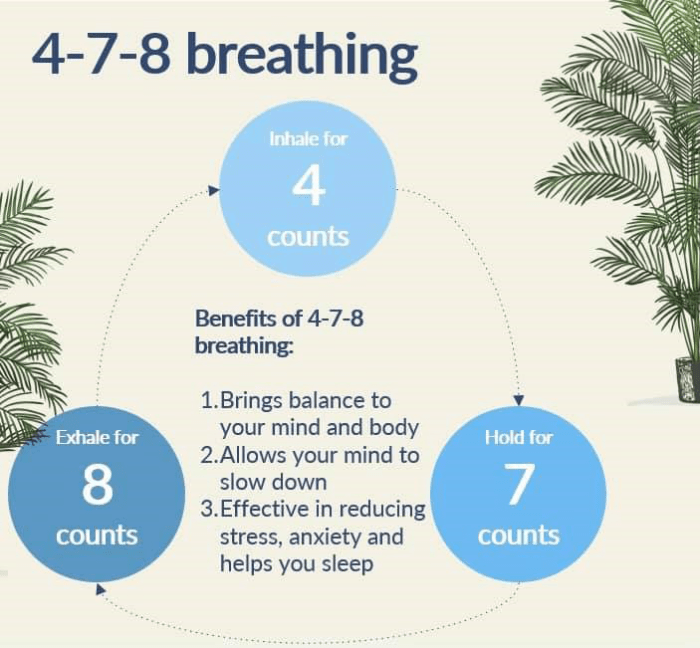
4-7-8 Breathing
- Inhale quietly through the nose for a count of 4.
- Hold the breath for a count of 7.
- Exhale audibly through the mouth for a count of 8.
Square Breathing
- Inhale for a count of 4.
- Hold the breath for a count of 4.
- Exhale for a count of 4.
- Pause for a count of 4 before inhaling again.
Counted breathing practices like these can help individuals focus on their breath, calm the mind, and enter a state of deep relaxation and presence.
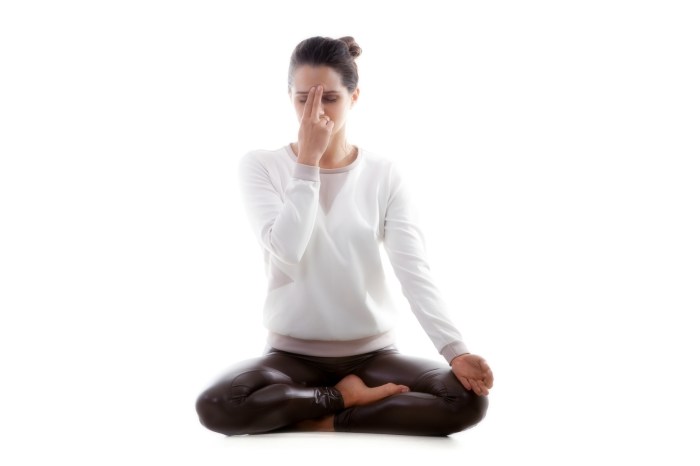
Alternate Nostril Breathing
Alternate nostril breathing, also known as Nadi Shodhana, is a yogic breathing technique that helps balance the flow of energy in the body and calm the mind. This practice originates from ancient Indian traditions and is commonly used in yoga and meditation for its soothing effects.
Steps for Performing Alternate Nostril Breathing
- Sit comfortably with a straight spine and relax your shoulders.
- Place your left hand on your left knee, palm facing upward.
- Bring your right hand to your face and use your thumb to close your right nostril.
- Inhale deeply through your left nostril, then use your ring finger to close your left nostril.
- Release your right nostril and exhale completely.
- Inhale through your right nostril, then close it with your thumb and release the left nostril to exhale.
- This completes one round. Repeat for several rounds, focusing on the breath and the sensation of air moving through each nostril.
Benefits of Alternate Nostril Breathing
- Helps balance the left and right hemispheres of the brain, promoting mental clarity and focus.
- Calms the nervous system and reduces stress and anxiety levels.
- Improves respiratory function and increases oxygen supply to the body.
- Enhances overall well-being and aids in achieving a sense of inner balance and harmony.
Breath Awareness Meditation
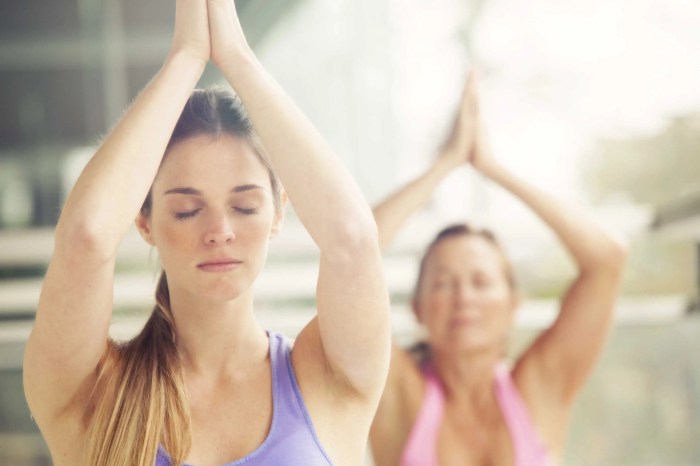
Breath awareness meditation is a mindfulness practice that involves focusing on the sensations of the breath as it moves in and out of the body. This practice helps cultivate present-moment awareness and deepens the connection between the mind and body.
Guidance on Practicing Breath Awareness Meditation
- Find a quiet and comfortable place to sit or lie down.
- Close your eyes and bring your attention to your breath without trying to control it.
- Notice the rise and fall of your chest or the sensation of air passing through your nostrils.
- If your mind wanders, gently bring your focus back to the breath without judgment.
- Practice for a few minutes to start and gradually increase the duration as you become more comfortable.
Impact of Cultivating Breath Awareness
Cultivating breath awareness through meditation can have a profound impact on mental clarity and emotional well-being. By developing a greater sense of awareness and presence, individuals may experience reduced stress, anxiety, and improved focus. This practice can also help regulate emotions and create a sense of calmness and inner peace.
Ujjayi Breathing Technique
The Ujjayi breathing technique is a common practice in yoga and meditation that involves deep, rhythmic breathing. This technique is also known as “ocean breath” due to the sound created by gently constricting the back of the throat during inhalation and exhalation.When engaging in Ujjayi breath, practitioners focus on breathing slowly and deeply through the nose while making a soft, audible sound resembling the waves of the ocean.
This controlled breathing helps regulate the flow of oxygen in the body, promoting relaxation and concentration.
Effect on the Mind and Body
- Ujjayi breathing can help calm the mind and reduce stress by activating the parasympathetic nervous system.
- It improves oxygen circulation, enhancing focus and mental clarity during meditation.
- The audible quality of Ujjayi breath serves as a point of focus, aiding in mindfulness and present moment awareness.
Sama Vritti (Equal Breathing)
Sama Vritti, also known as equal breathing, is a breathing technique used in meditation to create a sense of balance and harmony. This practice involves inhaling and exhaling for an equal count, helping to calm the mind and body.
Steps to Perform Sama Vritti Breathing
- In a comfortable seated position, close your eyes and take a few deep breaths to center yourself.
- Begin by inhaling slowly and deeply through your nose for a count of four.
- Hold your breath for a count of four.
- Exhale slowly and completely through your nose for a count of four.
- Hold your breath for a count of four before starting the cycle again.
Sama Vritti breathing can be practiced for a few minutes up to several rounds, depending on your comfort level and experience.
Benefits of Sama Vritti for Meditation
- Calms the mind and body by regulating the breath and creating a sense of balance.
- Enhances focus and concentration during meditation sessions.
- Reduces stress and anxiety levels, promoting a sense of inner peace and tranquility.
- Helps in improving respiratory function and promoting overall well-being.
Visualization Techniques with Breathwork
Visualization techniques can be a powerful tool when combined with breathing exercises to enhance the meditation experience. By incorporating mental imagery along with focused breathing, individuals can deepen their practice and promote relaxation.
Examples of Visualization Techniques
- Imagine a calming ocean scene: Picture yourself on a peaceful beach, with gentle waves lapping at the shore. As you inhale and exhale, visualize the ebb and flow of the ocean mirroring your breath.
- Envision a serene forest setting: Visualize yourself surrounded by tall trees, with sunlight filtering through the leaves. With each breath, imagine the fresh forest air filling your lungs, bringing a sense of tranquility.
- Create a mental sanctuary: Construct a safe and tranquil place in your mind, whether it’s a cozy cabin in the mountains or a quiet garden. As you breathe deeply, immerse yourself in this imaginary space to promote relaxation and inner peace.
By pairing these visualization techniques with specific breathing practices, individuals can enhance their meditation sessions and achieve a deeper state of mindfulness.
Last Word
Enhance your meditation practice with these 8 powerful breathing techniques. By incorporating these practices into your routine, you can cultivate a deeper sense of calm, focus, and mindfulness. Elevate your meditation experience and embrace the transformative power of breathwork today.