4 Techniques for Overcoming Distractions During Meditation sets the stage for this enthralling narrative, offering readers a glimpse into a story that is rich in detail with casual formal language style and brimming with originality from the outset.
As we delve into the realm of meditation, distractions can often disrupt our practice. In this discussion, we explore effective methods to overcome these distractions and enhance the quality of our meditation sessions.
Definition of Distractions During Meditation

Distractions during meditation refer to any external or internal interruptions that divert one’s focus away from the present moment or the object of meditation. These distractions can hinder the meditative process and prevent individuals from experiencing deep relaxation or spiritual growth.
Common Types of Distractions
- External Distractions: These include noises, movements, or visual stimuli in the environment surrounding the meditator. For example, the sound of traffic, a ticking clock, or someone entering the room can disrupt concentration.
- Internal Distractions: Internal distractions arise from within the mind of the individual. This may involve thoughts, emotions, memories, or physical sensations that draw attention away from the meditation practice. For instance, worrying about future events or replaying past conversations in the mind can be internal distractions.
- Physical Discomfort: Physical discomfort such as pain, itching, or restlessness in the body can also act as distractions during meditation. These sensations can cause discomfort and make it challenging to maintain a state of calm and focus.
- Emotional Turmoil: Strong emotions like anxiety, anger, or sadness can surface during meditation and disrupt the meditative state. Emotional turmoil may lead to rumination or a heightened state of arousal, detracting from the intended purpose of the practice.
Importance of Overcoming Distractions

Distractions during meditation can significantly impact the quality of your practice and hinder the benefits you can derive from it. It is crucial to overcome these distractions to fully experience the mental clarity and mindfulness that meditation can offer.
How Distractions Hinder the Benefits of Meditation
- Distracting thoughts or external stimuli can disrupt your focus and prevent you from entering a deep state of relaxation.
- Constant distractions can lead to a fragmented meditation session, reducing its effectiveness in calming the mind and reducing stress.
- When you are unable to overcome distractions, you may miss out on the opportunity to cultivate inner peace and self-awareness through meditation.
Impact of Distractions on Mental Clarity and Mindfulness
- Distractions can cloud your mind and prevent you from achieving the mental clarity and heightened awareness that meditation aims to promote.
- Consistent distractions during meditation can make it challenging to develop a mindful attitude in your daily life, leading to increased stress and anxiety.
- By overcoming distractions during meditation, you can enhance your ability to stay present, focused, and attentive in all aspects of your life, fostering a sense of inner peace and well-being.
Techniques for Overcoming Distractions

Distractions can be a common challenge during meditation, but there are several techniques that can help you stay focused and present. By incorporating these practices into your meditation routine, you can train your mind to overcome distractions more effectively.
Anchor Technique
The anchor technique involves focusing on a specific point of reference, such as your breath, a mantra, or a visual object. This serves as a mental anchor that you can return to whenever you notice your mind wandering. By continuously bringing your attention back to this anchor, you can gradually train your mind to stay more centered and focused during meditation.
Acknowledging Distractions Without Judgment
When distractions arise during meditation, it’s important to acknowledge them without attaching any judgment or emotional response. Simply observe the distraction, acknowledge its presence, and gently guide your attention back to your anchor. By practicing non-judgmental awareness, you can cultivate a sense of detachment from distractions and maintain your focus more effectively.
Breath Awareness
Utilizing breath awareness is a powerful tool for refocusing during meditation. By paying attention to the sensations of your breath as it moves in and out of your body, you can anchor yourself in the present moment and create a sense of calm and stability. If distractions arise, you can use your breath as a focal point to redirect your attention and bring yourself back to the present.
Guiding the Mind Back to the Present Moment
When your mind starts to wander during meditation, gently guide it back to the present moment with patience and compassion. Avoid becoming frustrated or critical of yourself for getting distracted, as this can create more mental noise. Instead, acknowledge the distraction, let it go, and refocus your attention on your anchor or breath. By approaching distractions with kindness and understanding, you can cultivate a more peaceful and focused meditation practice.
Developing a Consistent Meditation Practice
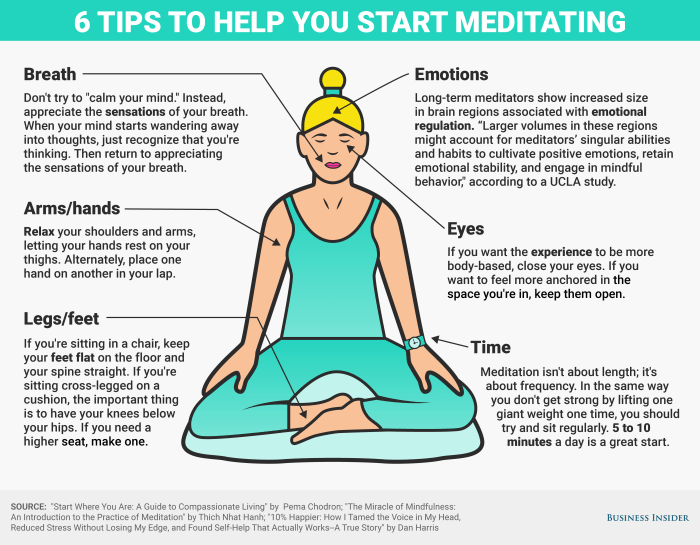
Establishing a regular meditation routine is essential for deepening your practice and reaping its full benefits. Consistency plays a key role in overcoming distractions during meditation, as it helps train your mind to focus and be present in the moment. Creating a dedicated meditation space can further support your practice by minimizing external distractions and fostering a sense of peace and tranquility.
Let’s explore some tips and strategies for developing a consistent meditation practice.
Tips for Establishing a Regular Meditation Routine
- Set a specific time each day for meditation, ideally in the morning or evening when distractions are minimal.
- Start with short sessions and gradually increase the duration as you build your practice.
- Find a comfortable posture and a quiet space where you won’t be disturbed.
- Use reminders or cues to help you remember to meditate, such as setting alarms or placing meditation objects in visible places.
The Role of Consistency in Overcoming Distractions
Consistency in meditation practice trains the mind to let go of distractions and anchor itself in the present moment. By establishing a regular routine, you create a habit that makes it easier to return to a state of mindfulness, even when faced with external disturbances. Consistency builds resilience against distractions and strengthens your ability to stay focused during meditation.
Creating a Dedicated Meditation Space, 4 Techniques for Overcoming Distractions During Meditation
- Designate a quiet corner or room in your home for meditation, free from clutter and noise.
- Add elements that promote relaxation, such as cushions, candles, or incense.
- Personalize your meditation space with meaningful objects or images that inspire tranquility.
- Keep your meditation space clean and organized to enhance the sense of serenity and focus.
Benefits of Incorporating Meditation Into Daily Life
- Improved focus, concentration, and mental clarity throughout the day.
- Reduced stress, anxiety, and negative emotions through regular mindfulness practice.
- Enhanced self-awareness and emotional resilience in challenging situations.
- Promotion of overall well-being and a deeper connection to oneself and others.
Final Wrap-Up: 4 Techniques For Overcoming Distractions During Meditation

In conclusion, mastering the 4 techniques for overcoming distractions during meditation can lead to a more focused and fulfilling practice. By incorporating these strategies into your routine, you can cultivate a sense of peace and clarity that transcends the chaos of everyday life.